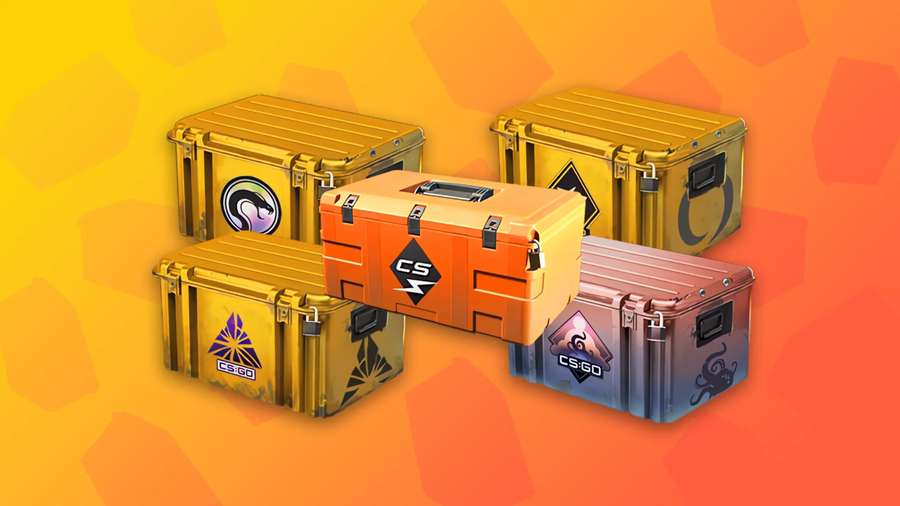
The rise of competitive opening mechanics has changed how players interact with cosmetic systems, and in 2026 the CS2 case exchange site key-drop.com integrates Case Battle directly into its broader ecosystem. Instead of treating case opening as a solo, isolated activity, the platform allows users to turn randomized drops into structured competition.
Case Battle isn't just about opening cases faster than someone else. It's about comparing outcomes in real time and managing risk across identical conditions.
https://skinport.com/blog/cs2-case-drops-explained
How Case Battle works
The concept is simple:
- Join an existing battle or create your own.
- Select the cases that will be opened.
- All participants open the same cases in the same order.
- The total value of the drops determines the winner.
The competitive framing transforms what would normally be an individual reveal into a shared event. Every spin matters because everyone is playing under identical case conditions.
If player traffic fluctuates, battles can include bot participants. These bots operate under the same Provably Fair framework as regular users, meaning the randomization logic remains consistent.
For active users, certain free Case Battle opportunities are also available, adding an access layer without requiring constant paid entries.
Understanding randomness without illusions
Winning in Case Battle does not mean manipulating outcomes. Every drop remains probability-based. What changes is how you approach the format.
Because all players open identical cases, the outcome variance becomes the deciding factor. That means:
- A single high-tier drop can swing an entire battle.
- Conservative case selections reduce volatility.
- High-risk case combinations increase variance.There is no guaranteed way to "force" a win. But there are ways to manage exposure and structure your participation.
Choosing the right battle setup
When creating a battle, case selection defines the risk profile.
Some cases distribute value more evenly across mid-tier skins. Others concentrate value heavily in a few rare outcomes. The latter may look attractive because of headline items, but they introduce higher volatility.
Players who want lower variance may prefer mixed case setups. Those chasing higher swing potential may deliberately choose cases known for extreme spread.
The decision isn't about chasing the rarest skin — it's about understanding how likely different tiers are to appear relative to your tolerance for risk.
Timing and participation strategy
Joining existing battles versus creating custom ones can influence tempo.
- Joining open battles offers speed and lower friction.
- Creating custom battles allows control over case selection and participant count.
Smaller battles reduce the number of competitors but don't change the randomness of outcomes. Larger battles increase competition intensity without affecting individual drop probability.
Understanding this distinction prevents overestimating structural advantages.
Managing inventory between battles
Case Battle produces inventory shifts quickly. Some users accumulate multiple mid-tier skins; others land rare outcomes.
On the platform, inventory tools allow players to:
- Exchange skins directly through a structured trade bot
- Use an Upgrader tool to attempt higher-tier conversions
- Re-enter battles with adjusted inventory
This integrated loop means you don't have to leave the environment to reorganize your holdings.
However, it's important to separate strategic play from emotional reactions. Consecutive losses don't increase future odds. Consecutive wins don't improve probability. Each battle remains independent under the Provably Fair structure.
Free battles and engagement
For active users, certain free Case Battle opportunities are periodically available. These do not change the underlying randomness, but they offer additional participation layers.
This design encourages consistent engagement without forcing continuous risk exposure.
The leveling and activity-based systems on the platform connect naturally with battle participation, making it part of a broader cosmetic interaction cycle rather than a standalone feature.
What "winning" really means
In Case Battle, winning is defined by total item value within that specific round. It doesn't mean outperforming probability in the long run. Over extended participation, randomness tends to balance.
Players who approach the format with clarity understand:
- Short-term swings are normal.
- Emotional decision-making increases exposure.
- Structured participation helps maintain control.
The competitive layer adds excitement, but the underlying system remains statistical.
Final perspective
Case Battle on key-drop.com in 2026 blends chance-based mechanics with competitive framing. It transforms case opening from a solitary activity into a comparative experience.
There is no secret formula to guarantee victory. But understanding case volatility, structuring battles intentionally, and managing inventory between rounds creates a smarter participation model.
For players who enjoy the tension of head-to-head outcomes without leaving a unified platform ecosystem, Case Battle remains one of the more engaging cosmetic interaction formats available in the CS2 environment.
🔙 Back to Articles list.