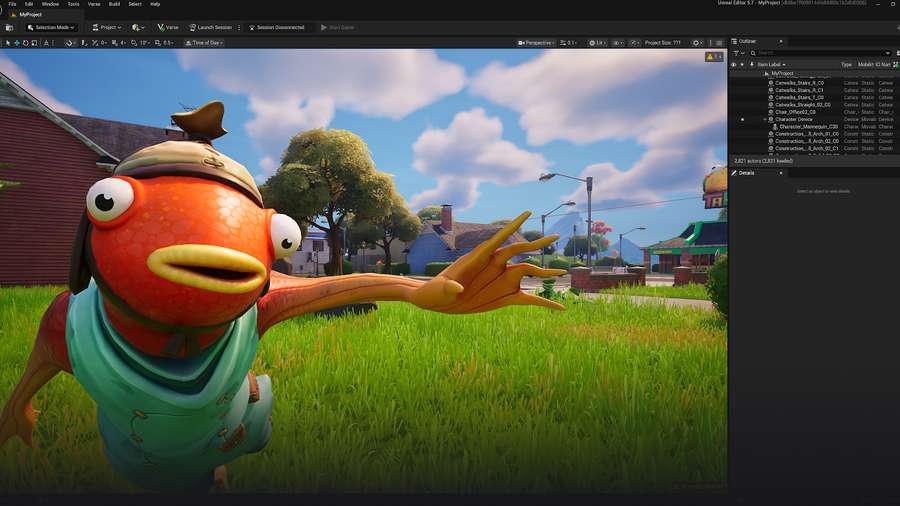
Epic Games has paid Fortnite creators over $722 million. Not professional studios. Not established video game developers with decades of shipped titles. Creators. People who started by dropping Tilted Towers in a 100-player battle royale and ended up building entire multiplayer experiences with their own gameplay systems, economies, and player bases. That kind of money usually flows through big game publishers. Not individuals working from their bedrooms. Fortnite didn't just change gaming. It changed who gets to make games, and Epic Games built the tools to make it happen.
From Battle Royale to Game Development Platform
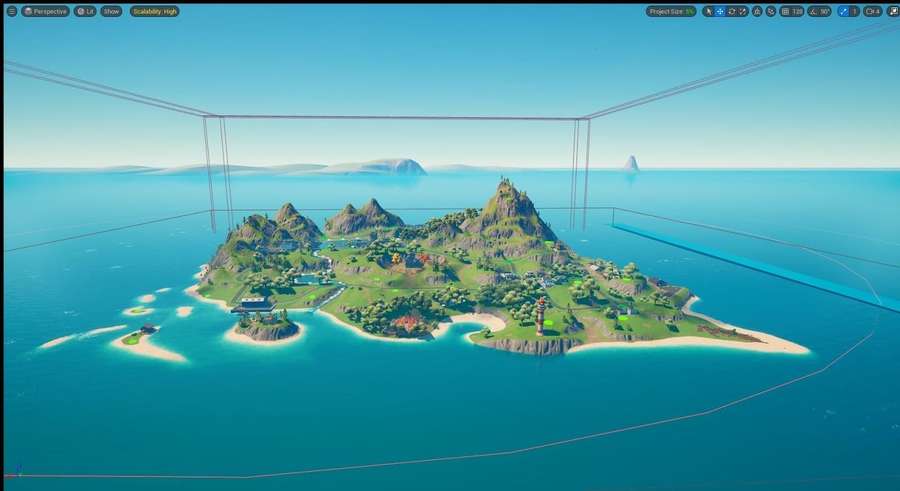
When Fortnite launched its Creative mode in 2018, most people used it to build obstacle courses and deathmatch arenas. Fun, but limited. The real shift arrived in March 2023, when Epic released the Unreal Editor for Fortnite (UEFN), a desktop application that handed creators access to real Unreal Engine tooling: lighting, VFX, animation, worldbuilding, and a purpose-built programming language called Verse.
This wasn't a toy editor. UEFN ships with the same rendering pipeline behind Fortnite and other AAA Unreal games, wrapped in workflows designed for rapid iteration. Creators can build, test, and publish directly to Fortnite's 250 million players without worrying about server infrastructure, matchmaking, or distribution. Epic, the publisher, handles all of that.
The scale of what Fortnite became as a development platform is staggering. Over 260,000 creator-made islands are live right now. Players have logged 11.2 billion hours across those islands, with an average of 60,000 seeing daily play. More than 30% of the time spent on creator islands is devoted to genres unrelated to traditional Fortnite combat: RPGs, party games, horror sims, and social hangouts. Fortnite creator communities have grown around every imaginable game design niche, from competitive gaming arenas to narrative adventures. The game that changed battle royale has quietly become a full game engine for an entire generation of developers.
Verse: A Scripting Language Built for Game Developers
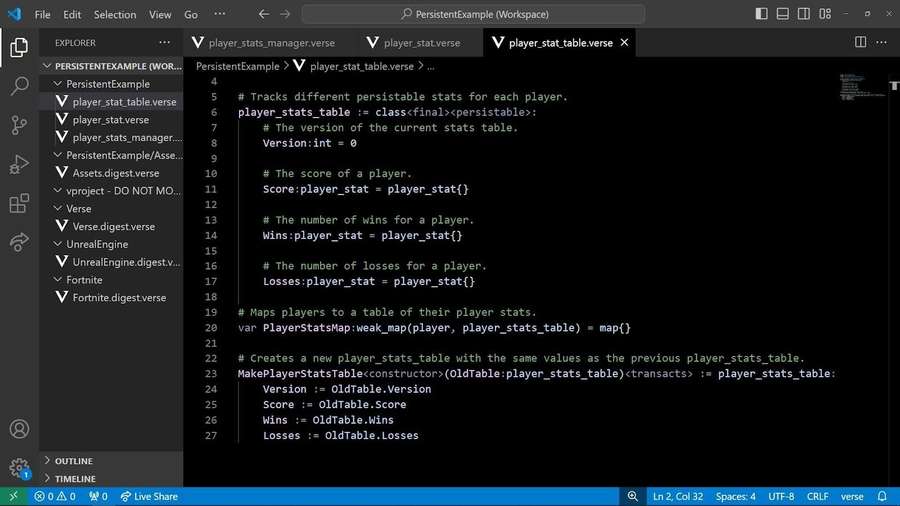
For the developers reading this, Verse is the most interesting piece of the UEFN puzzle. Tim Sweeney designed it as a statically typed, functional-logic hybrid language purpose-built for game development. Think of it as what would happen if someone took the best parts of TypeScript's type safety, Haskell's pattern matching, and built the whole thing for gameplay logic from the ground up. It eliminates null pointer exceptions through a failure-handling system that forces you to handle edge cases at compile time, not when your island breaks during a live session with a thousand players.
If you've written gameplay logic in JavaScript or TypeScript, Verse will feel both familiar and foreign. The syntax is clean, the type system is strict, and the error model is opinionated in ways that genuinely make multiplayer code more reliable. The language's concurrency model is also built for multiplayer game development, where dozens of systems need to run simultaneously without stepping on each other. Epic ships an AI-powered development assistant that generates Verse code snippets and walks you through the implementation, flattening the learning curve for newcomers.
Recent updates keep pushing the tooling forward. The v39.50 release (February 2026) added Physics APIs for manipulating dynamic objects, mobile preview testing on Android and iOS, and the Persona Device for building AI-powered NPCs that players can hold actual conversations with. If you're the type of game developer who gets excited about new scripting paradigms, the official Verse documentation is worth a weekend deep read.
Fortnite's Creator Economy vs. Other Platforms
Let's talk money because the economics of building in Fortnite set it apart from every other UGC platform in the gaming industry.
Epic's Creator Economy 2.0 places 40% of Fortnite's net revenue from the Item Shop and related real-money purchases into a total engagement payout pool. That pool gets distributed across eligible islands based on engagement signals: player popularity, retention, and the ability to bring in new or reengaging lapsed players in Fortnite.
The numbers speak for themselves. In 2024, Epic paid $352 million to roughly 70,000 creators. Thirty-seven crossed the million-dollar mark. Seven earned over $10 million. Those figures rival what mid-sized indie studios pull from Steam, and these creators built their games inside someone else's platform. Creators like Ninja helped put Fortnite on the map as entertainment, but the real story now is the thousands of anonymous developers whose islands pull consistent player counts month after month.
Then came the December 2025 update: in-island transactions. Fortnite developers can now sell digital durable and consumable items, bundles, and paid areas directly within their islands using a Verse-based API and new UEFN tools. Through January 2027, creators keep 100% of V-Bucks value from item sales. After platform fees from console and mobile storefronts, that nets approximately 74% of retail revenue. Epic also launched a sponsored row in Discover where creators bid for featured placement, with all ad revenue flowing back to Fortnite creator communities through the end of 2026.
What UEFN Means for Game Development at Large
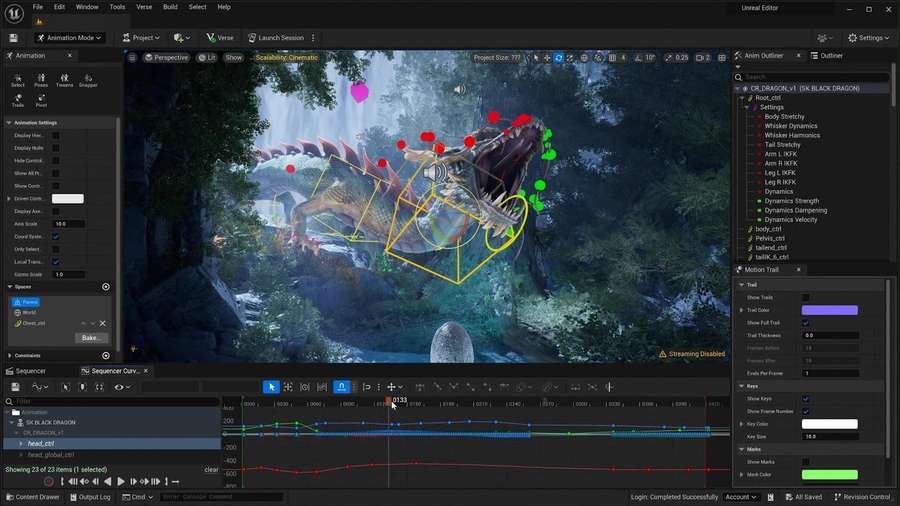
If you build games on the web or any other platform, UEFN's trajectory deserves your attention. Epic is proving that a single online multiplayer game can become an entire game development ecosystem, complete with professional tools, a built-in audience of hundreds of millions of players, and revenue splits that undercut traditional console platforms and storefronts.
UEFN also gives creators something the web game development world has always struggled with: instant distribution to a massive audience. When you publish a game on itch.io or Newgrounds, finding players is half the battle. Inside Fortnite, the audience is already there, browsing Discover and searching for new experiences. The costs of servicing the Fortnite ecosystem (servers, anti-cheat, matchmaking) all sit on Epic's tab. That changes the calculus for anyone deciding where to invest their development time.
The broader Fortnite economy now extends beyond island creation. For example, players who want to jump into specific game modes or competitive content with rare inventories regularly look for Fortnite accounts through marketplaces like igitems, a sign of just how much economic activity orbits what started as a battle royale game.
Tim Sweeney has made clear that Epic's vision is for Fortnite to grow into a creation platform on a global scale. Whether you agree with that framing or not, the infrastructure is real, the payouts are real, and the tools are getting genuinely good. The State of Unreal 2025 keynote laid out a roadmap of new features and developer tools, signaling that Epic is just getting started.
The next generation of game developers might not start with a Unity prototype or a weekend game jam entry (though you should absolutely still do both). They might start by publishing a Fortnite island, watching thousands of players try it in week one, and shipping updates based on live feedback. For the millions of Fortnite players who grew up with the game, the distance between playing and building has never been shorter. And if Epic's investment in UEFN is any indication, that gap will only keep shrinking.
🔙 Back to Articles list.