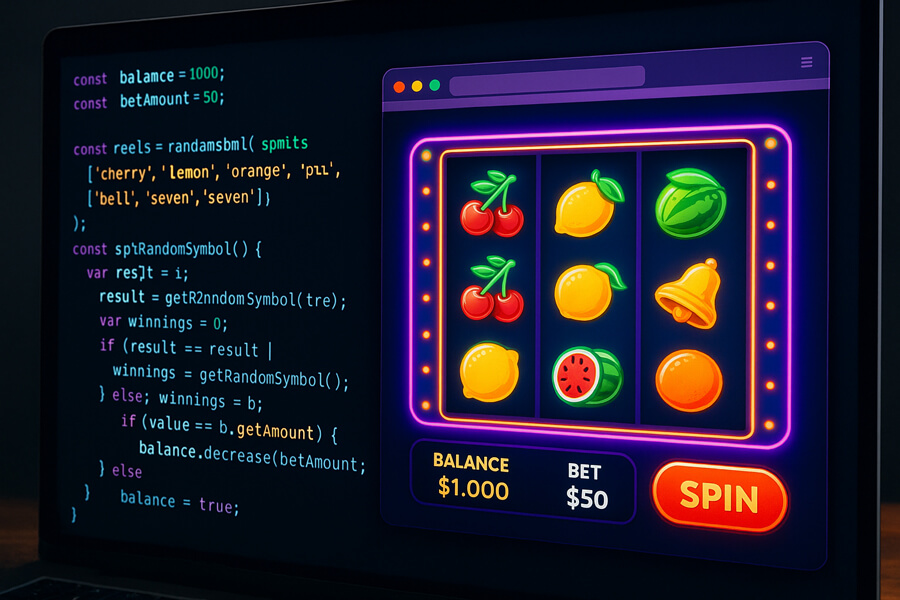
JavaScript is shaping the future of online casinos by enabling real-time, browser-based gameplay that feels just as fast and immersive as native apps.
Online gaming has evolved from clunky downloadable clients to sleek, browser-native experiences that rival the speed and design of desktop platforms. At the heart of this shift is JavaScript—a language once seen as basic or clunky, now powering some of the most sophisticated game environments in the world. Casino games, especially, have become a proving ground for how JS can deliver real-time interactivity, secure transactions and compelling visuals—all inside a browser tab.
From Flash to Frameworks: A Quick Evolution
Not too long ago, most online games were either built in Flash or packaged inside downloadable apps. Flash had its time, but it was never truly stable or secure. Developers needed a language that could handle asynchronous events, animations, audio playback and network calls without dragging down performance.
Enter JavaScript. With the rise of HTML5 and WebGL, JavaScript matured into a first-class language for real-time gaming. Frameworks like Phaser, Babylon.js and Three.js made it easier to build interactive games without relying on plugins. Suddenly, the idea of running high-frequency, event-driven code entirely in the browser wasn’t just viable—it was the new standard.
And while indie devs were building pixel-perfect platformers or idle clickers, real money online casinos were quietly adopting the same tech stack to rebuild their entire ecosystems.
Speed, Sync and Server Communication
Casino games demand low latency. Whether it's a slot spin or a round of blackjack, outcomes need to be delivered in real-time and every interaction must feel instantaneous. JavaScript’s asynchronous architecture—especially with the use of async/await and event loops—makes it an ideal fit.
One of the key pieces here is WebSockets, which allow for persistent, two-way communication between the client and the server. Unlike traditional HTTP requests that are short-lived, WebSockets keep the connection open, making real-time updates seamless. This is essential when a user plays a game involving other players or live data streams, like a multiplayer poker table or a live dealer roulette feed.
These architectural decisions matter because they allow developers to build interfaces that feel responsive even under heavy server load. For casinos handling thousands of concurrent users, that can mean the difference between a user staying engaged or bouncing after a laggy experience.
Frontend Matters: Design and Interactivity
Casino games aren't just math engines behind the scenes—they’re designed to be entertaining, addictive (in the behavioral sense) and visually polished. Here, JavaScript shines again. Libraries like Pixi.js allow for GPU-accelerated 2D graphics, perfect for animating symbols in slot games or simulating card flips in blackjack. Combined with CSS animations and SVG rendering, devs have a wide canvas to play with.
User input also needs to be seamless. Buttons, swipes, taps, or hover actions—all must be mapped and handled without introducing delay or jank. Modern JavaScript frameworks like React or Vue often run in the background of casino UIs, managing component states and conditional rendering while keeping the user experience buttery smooth.
What this all adds up to is a front-end experience that doesn't just look good—it feels alive.
Security and Compliance in the JS Stack
When money's involved, security can’t be an afterthought. While the heavy lifting—encryption, data storage, user authentication—usually happens server-side, JavaScript still plays a role in the client-side handling of sensitive data.
Token-based authentication, often handled through JWTs (JSON Web Tokens), is a common method. JavaScript processes these tokens, stores them in memory or cookies and uses them to validate user sessions without bloating network calls. That may sound basic, but for real-time apps where users switch games or navigate quickly, it ensures secure, seamless transitions.
It's worth noting that developers building for regulated casino platforms must also think about compliance. Age verification popups, responsible gaming notices and session timers are all elements often coded in JavaScript to keep users informed and platforms in line with legal expectations.
For devs wanting to dive deeper, Mozilla’s official JavaScript security guide is a good place to start. Understanding where vulnerabilities can emerge is key to building robust online systems, especially in games that deal with money.
Lessons for Game Devs: Building Like the Pros
Whether you're making a card game for fun or working on a casino project, there are transferable lessons here. Real-time feedback, clean UI transitions, fast load times and secure architecture aren’t casino-specific—they're just good development practices.
Some recent industry analysis has shown that retention-focused games often use the same logic structures and feedback loops found in slot machines, even when the gameplay itself looks nothing alike. That overlap isn’t accidental. Casino developers have spent years refining how pacing, UI responsiveness and user flow work together to keep players engaged—insights that any game dev can learn from.
For JS developers looking to sharpen their edge, casino platforms offer case studies in optimization and scalability under pressure. They also serve as reminders of how far browser-based gaming has come.
JavaScript’s House Always Wins
Real money online casinos may be controversial, but from a purely technical standpoint, they represent some of the most complex, highly-optimized browser apps on the web. They run on a stack that's surprisingly similar to what many indie devs use daily (HTML5, JavaScript, WebSockets). Today, there are a plethora of modern UI libraries for coders to choose from.
Understanding how these platforms operate offers more than just curiosity; it’s a glimpse into what’s possible when you push the limits of browser tech. And in an industry where milliseconds matter, JavaScript is proving it’s still got plenty of cards to play.
🔙 Back to Articles list.