English speakers make up a huge part of the gaming world, but what about the rest? To maximize your game's potential, you need to speak to players in their native language. The right game localization solution can simplify this work and save you money and time. But where to start? This guide will break down the steps to successfully localize your game.
Beyond English: Reaching Gamers Everywhere
Did you know that over 75% of the world’s 3 billion gamers live outside of North America and Western Europe? Yet many developers only release their games in English, alienating a massive audience of non-English-speaking players. This is a huge missed opportunity. To unlock your game's full potential, you need to speak to players in their native language.
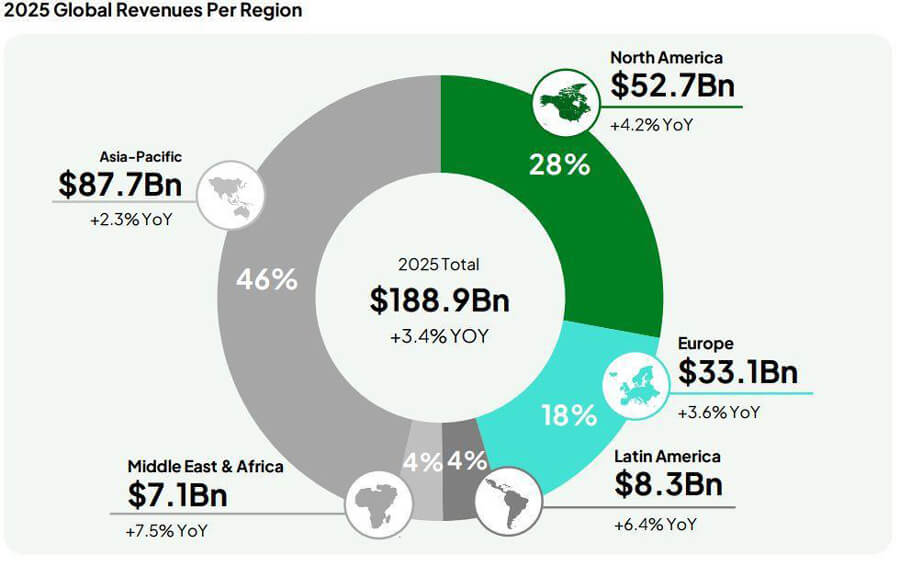
Launching your game in a single language means you're missing out on a massive opportunity for growth and revenue.
Let's dive deeper into the steps you can take to make your game global.
Step 1: Research and Planning
Before you even think about translating a single word, you need a plan. The first step is to research which markets you should target. Look at data on where your game is already being played (even in English) or which regions have a high demand for your genre. Are you seeing lots of players from Brazil, Germany, or Japan? Those might be your best bet.
A well-researched launch plan will also help you set a realistic timeline and budget for your localization efforts. Remember, a successful global launch is a marathon, not a sprint.
Step 2: Preparing Your Game for Localization
This step is all about making the process easy for everyone involved. If you build your game's code with localization in mind from the very beginning, you’ll save yourself a ton of headaches later. For example, make sure you don't "hard-code" text directly into the game’s visuals. Instead, store all text separately so translators can easily access and change it.
You’ll also need to create a localization kit. This is a complete instruction manual for your translators. It should include all the text strings, audio files, and images that need to be localized.
Step 3: Choose Your Tools
Before you dive into the work, you need the right platform to manage it all. A Translation Management System (TMS) is a software platform that centralizes your entire localization project, from text strings to images and audio. A good TMS, like Crowdin, allows you to create an effective workflow, provide context to translators, and track the progress of your project in real-time.
For game developers using the Unity engine, a plugin inside the TMS integrates directly with your project files, making the process even easier.
Inside the TMS, you can create and manage your game glossary of terms and a style guide. This ensures that every translator uses the same words for key items or characters, keeping your game's language consistent and professional across every language.
Choosing a TMS early on will save you a lot of time and effort compared to managing files manually.
Step 4: Translation and Cultural Adaptation
This is where the magic happens. You’ll work with professionals who will do much more than just a word-for-word translation. They’ll adapt your game so it feels like it was made specifically for that market. This includes things like:
- AI Translation: Tools can provide an instant first draft of your text, which saves a huge amount of time. However, human translators are essential for reviewing and editing this content to ensure it captures the right tone, style, and cultural nuances.
- Culturalization: Adapting jokes, idioms, and pop culture references that might not make sense in another country. For example, a sports reference from a US game might need to be changed to a football (soccer) reference for a European audience.
- Visuals: Changing colors, symbols, or even character outfits to avoid cultural misunderstandings or offense.
- Audio Dubbing: Record new voiceovers with native-speaking actors or by using AI tools that can generate high-quality, emotionally expressive voices that match the original tone and style.
Once the translations are done, you need to perform a Linguistic Quality Assurance (LQA) check. This means having a native speaker play the game and check for any mistakes. They'll catch things like text that doesn't fit in a menu, strange-sounding dialogue, or mistranslated words that could break the game's story.
Step 5: Implementation and Testing
Once you have your localized files, you’ll need to put them into the game and test them thoroughly. Different languages can take up more or less space on the screen. For example, German text is notoriously longer than English, so you might need to adjust your user interface (UI) to make sure everything fits without looking cramped.
You also have to make sure every format is correct, from dates and times to currency symbols. For example, a launch date of '10/12/2025' could mean December 10 in Europe but October 12 in the US. Getting these small details right shows your players you care. The only way to ensure everything works as expected is to test your game on a device with the new language enabled, playing through it just like a new user would.
Step 6: Marketing and Ongoing Support
Your work isn't done after launch! A huge part of success comes from how you present your game to the new market. Make sure to localize your app store page, including the title, description, keywords, and screenshots (this can be done inside the TMS too). Localization of your marketing materials helps your game get discovered by local players.
Then, you need to engage with your new communities. Join local forums, engage with players on social media, and listen to feedback. This not only builds a loyal fan base but also gives you valuable insight for future updates. Speaking of which, don’t forget to plan for localizing any new content you release, like patches, events, or DLC.
Final Words
As you can see, game localization is no longer just for big companies – it's a strategy every developer should follow. This approach ensures your hard work reaches a worldwide audience, boosts player engagement, and drives more revenue for your game. Thinking about localization in the early stages can save you a ton of time and effort.
🔙 Back to Articles list.