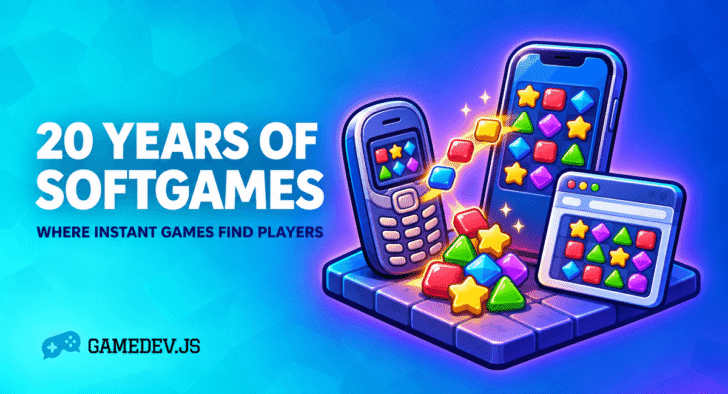
Where SOFTGAMES found new audiences for its HTML5 games
One of the more surprising numbers in SOFTGAMES’ twentieth-anniversary story is a production figure. The studio used to release about four games a month. It eventually settled on roughly four a year. What happened in between was a chance to put games it already owned in front of a group of players it hadn’t expected to find.
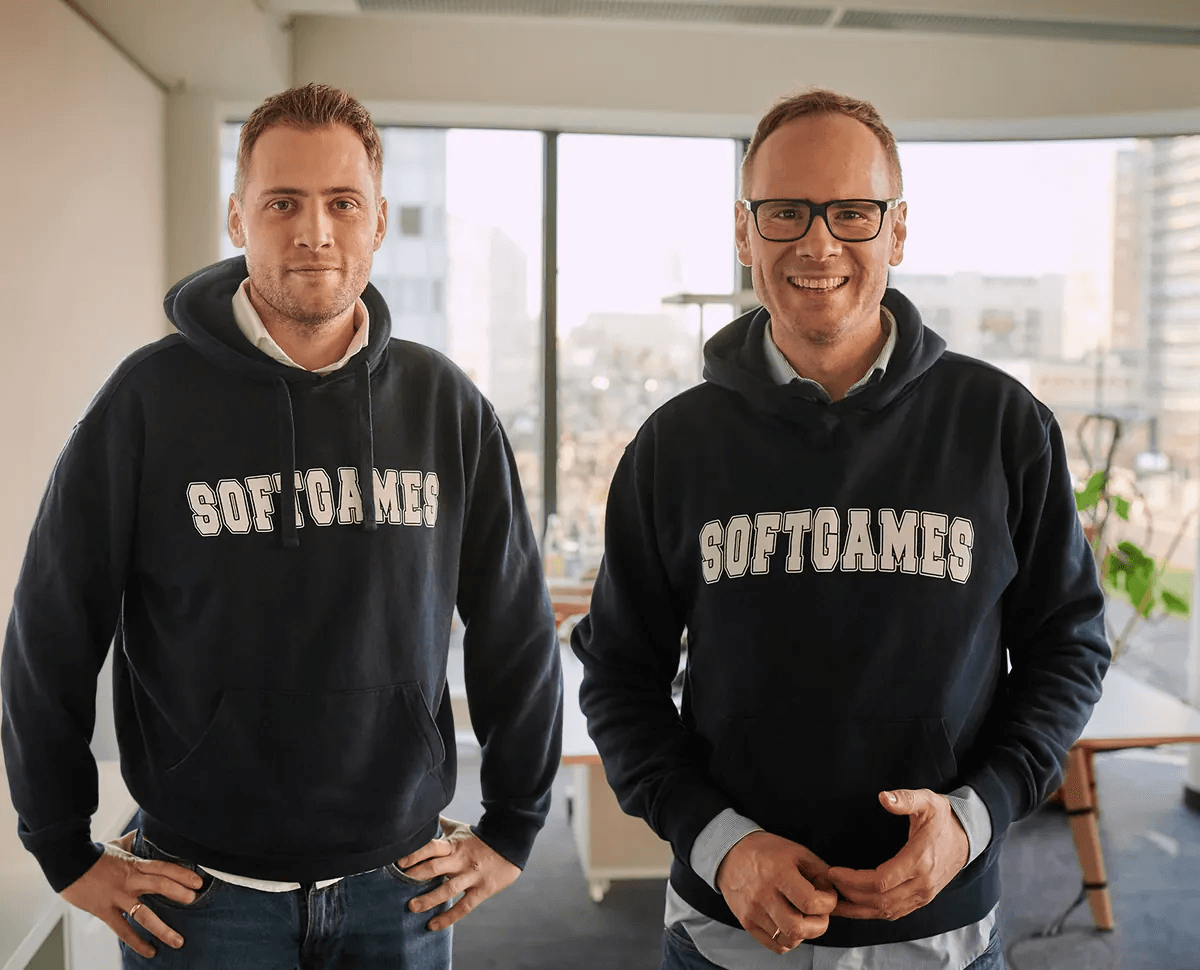
The story starts with a school website in Berlin. Alexander Krug wanted people to play games his friends had written, so he gave them somewhere to put them. In 2006 he founded the company with his brother André. Their early customers included TV broadcasters. A viewer could see a promotion during a programme, order the corresponding game and download it to a phone. The programme itself had done much of the work of introducing the game.
What a back catalogue can tell you
By 2012 the company was publishing HTML5 games for other websites. When Facebook invited SOFTGAMES to join the launch of Instant Games in 2016, it had a catalogue to try there. The studio says its match-three and solitaire titles found a following among older women in the United States. That discovery helped it decide where to spend development time.
Imagine running that experiment with three small games of your own. A high number of starts tells you that a title or thumbnail persuaded people to click. It tells you very little about the third level. If one game gets fewer clicks but more repeat sessions, it poses a different question. What are the returning players finding there, and could the team give them more of it? That distinction helps explain why a slower release schedule might make sense.
Solitaire Home Story is a concrete example of a game built around returning. A familiar card game gives the player an immediate task. The story of Alice and her family ranch gives the next session a place in a longer sequence. When SOFTGAMES introduced its web edition, it highlighted short levels and the ability to start playing without creating an account. Those are decisions about the first visit as well as the twentieth.
A different way in changes the first minute
In 2025 the company expanded onto Reddit, Discord, YouTube Playables and portals including CrazyGames. Think about where a player is coming from in each case. A person who opens a dedicated solitaire site has already chosen cards. Someone following a friend’s link in a conversation may have no idea what kind of game is about to appear.
Try writing the first screen for those two people. The returning solitaire player needs a way back to the last level. The newcomer needs a visible first move and enough context to recognise a successful one. Both can use the same underlying card rules. Where an invitation lands, what progress is restored and when the first useful action appears may deserve different answers.
For a comparison closer to the community, revisit the YouTube Playables challenge from Gamedev.js Jam. Another destination comes with a different set of constraints, as our look at Snapchat Web Lenses and PlayCanvas shows. A completed HTML5 build gives you a good starting point for that conversation. It still pays to try the first minute on the device and inside the app where people will actually find it.
A game can change hands and keep its audience
There is a second route to a catalogue. In August, SOFTGAMES acquired 19 instant games from Funday Games. The deal included Chess Quest, which already had a live Facebook Instant Games release. Funday continued as an independent studio pursuing its PC work. For the buyer, one of the things worth acquiring was a game with an established group of players.
For a small web studio, the interesting experiment is affordable. Choose one existing game, find one new place where people might want to play it, and give that release a question to answer. Can a newcomer finish a first round? Does a friend arrive ready to take a turn? Do players come back to their saved progress? Twenty years after two brothers started a company around getting games into people’s hands, those are still good reasons to open a browser.

HTML5 Game Developer, Enclave Games indie studio founder, js13kGames competition creator and Gamedev.js Weekly newsletter publisher. Mozilla Tech Speaker, Gamedev.js community firestarter. Organizes meetups / workshops / hackathons in Poland, passionate about new, Open Web technologies, excited about WebXR and PWAs. Likes eating sushi and playing Neuroshima Hex.