Songs of Hyrule: making a small Three.js game feel complete
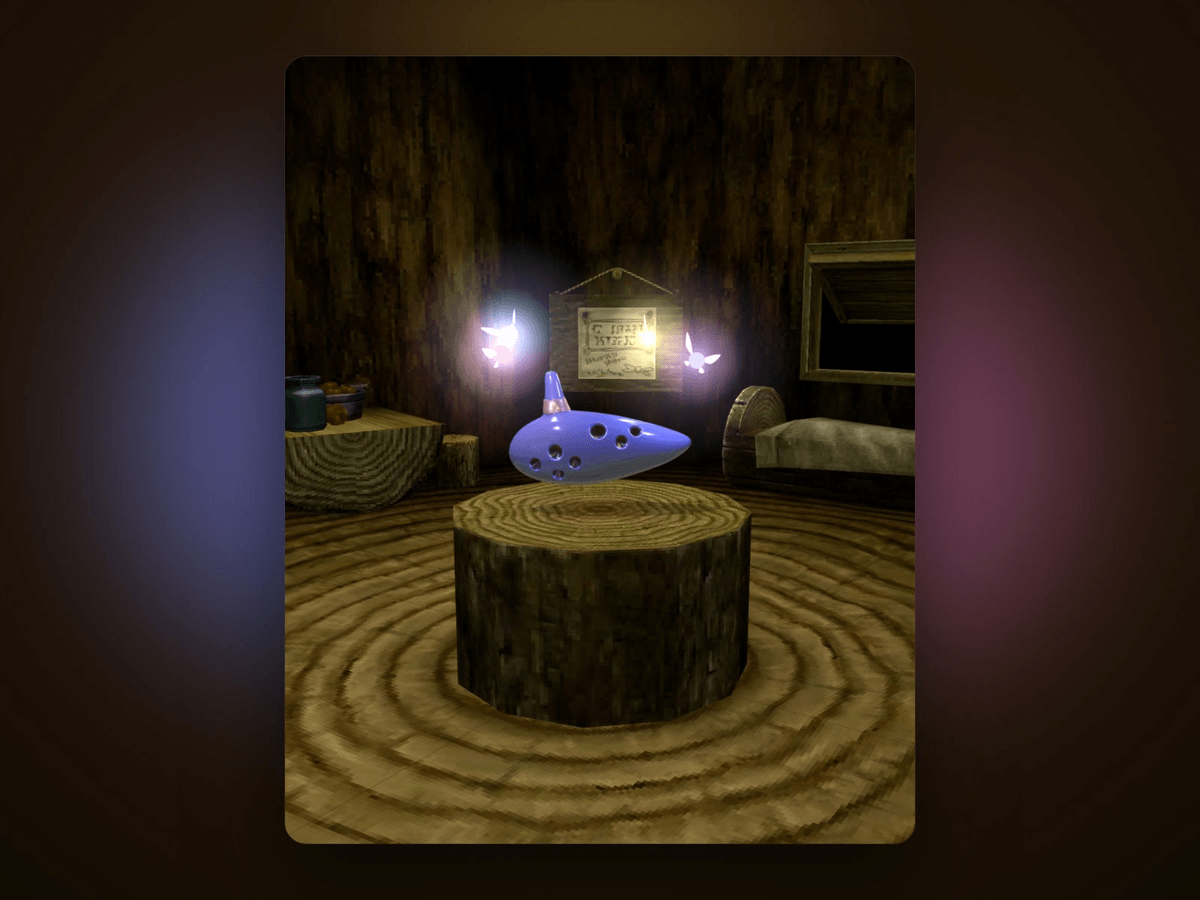
Songs of Hyrule centres on one object: an ocarina you can play in a 3D browser scene. Thibaut Lefrançois’ Codrops write-up explains how a fan project became a small musical game through attention to input, sound, and feedback. It is a useful read if your prototype already works but still feels unfinished.
The author reports building most of it in three days, followed by testing and a later release. That timeline describes this particular project; the more reusable part is how closely its details serve the same interaction.
Give one action several clear responses
Pressing a note makes a sound and moves the instrument. Playing a recognised melody triggers a replay and records progress in a song book. The scene gives the player several ways to understand that an action has registered, without requiring a complicated interface around it.
Try applying that idea to a simple action in your own game. When a player picks something up, what changes visually? Does the sound identify the item or just confirm the collision? Can they tell where the item went? A small delay or an ambiguous response can make a working system feel unreliable.
You do not need to add every possible effect. Choose feedback that helps someone understand the action, then make sure the pieces agree. A sound that arrives late, an animation that points the wrong way, or a counter hidden behind another panel can each undermine that clarity.
The variety among our Gamedev.js Jam 2026 winners makes them a useful comparison set. Watch how different games acknowledge a successful action before considering their larger systems.
Keep the project understandable
The project uses Three.js, TypeScript, and Vite, with GSAP for animation and small supporting libraries. Its public repository provides the code and explains the project structure. The binary assets are handled separately, so cloning the code is not the same as obtaining every asset needed to reproduce the deployed scene.
The author’s Three.js boilerplate includes asset-loading helpers, a debug panel, responsive canvas handling, and cleanup methods. Those are useful concerns to make explicit even in a small experiment. Knowing which part owns an event listener or loaded resource makes later changes easier to reason about.
Our Rogue Engine overview covers a different route to building with Three.js. A code-focused project and a component-based editor can both be sensible choices; compare them against how you want to create content and inspect problems.
Test the whole interaction, including menus
The write-up describes shared input handling for keyboard and touch controls, an initial gesture that enables audio, and interface animations that respect reduced-motion preferences. These are small decisions that influence whether the same scene is comfortable to use across devices.
For your own project, test more than the main action. Open a menu while something is happening, close it, resize the window, leave the tab, and return. Try a second playthrough without reloading. These transitions often reveal assumptions that a straight run from start to finish never touches.
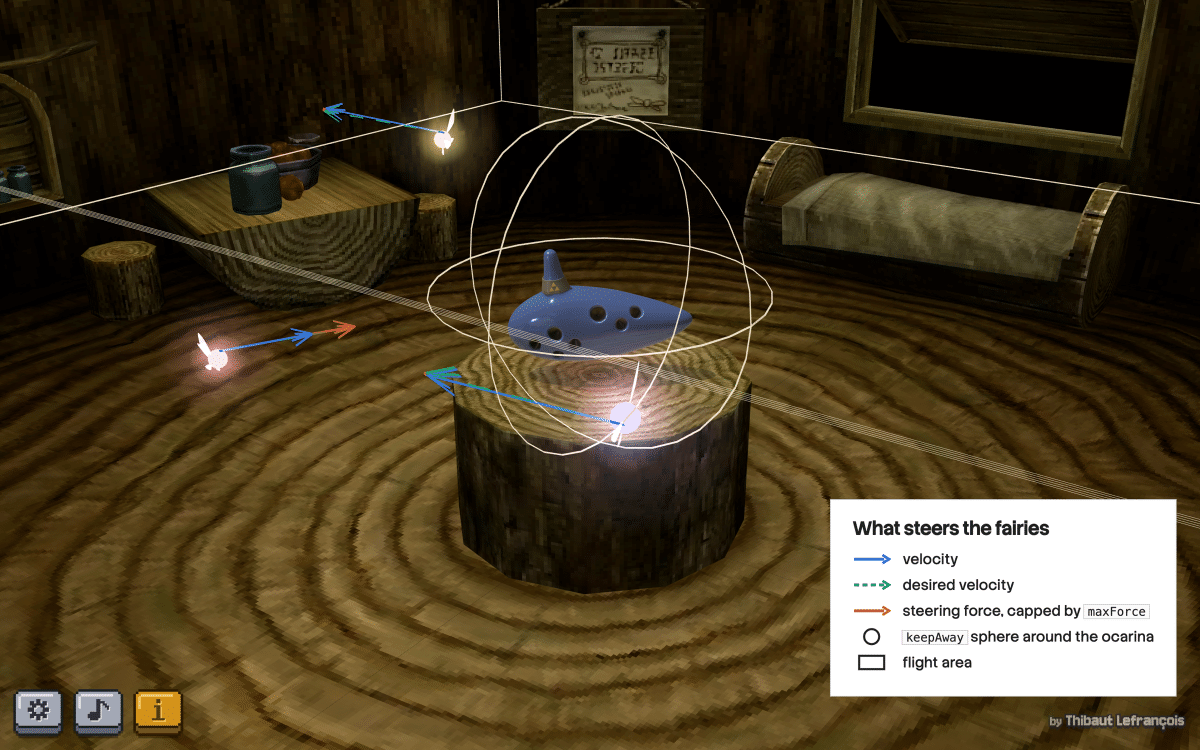
A clear settings screen can also do real work. Put controls players may need to change somewhere they can find them, and make the current value obvious. If a visual effect is optional, ensure turning it off does not hide information needed to play.
Give the player a reason to finish
A small game benefits from a visible sense of progress. Think about the difference between successfully performing an action once and understanding what remains to do. That might be a collection to complete, a better result to reach, or a final variation that uses everything already learned.
Our Little Ski tutorial coverage is another example of choosing a deliberately limited scope. For a broader selection of finished experiments, the LittleJS Game Jam challenge winners show how different themes can fit small projects.
Open Songs of Hyrule with sound available, then read the development account with one question in mind: which unfinished interaction in your own prototype would benefit most from the same care?

HTML5 Game Developer, Enclave Games indie studio founder, js13kGames competition creator and Gamedev.js Weekly newsletter publisher. Mozilla Tech Speaker, Gamedev.js community firestarter. Organizes meetups / workshops / hackathons in Poland, passionate about new, Open Web technologies, excited about WebXR and PWAs. Likes eating sushi and playing Neuroshima Hex.